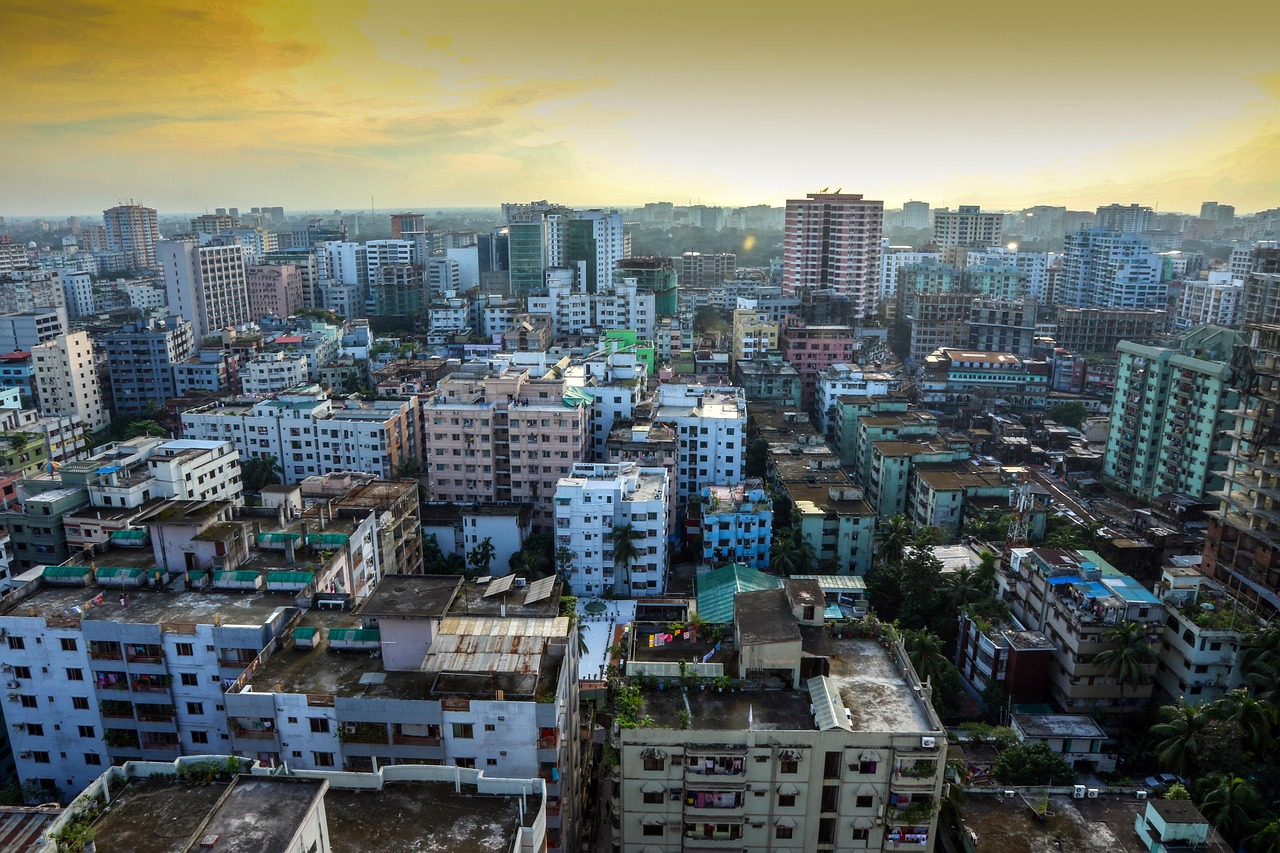
Looking into the Architectural Aspect of Bangladesh
Bangladeshi architecture is a blend of old and new, combining ancient traditions with modern ideas. The country's rich history is reflected in its buildings, from ancient Buddhist temples to Islamic mosques and contemporary structures. Each building tells a story of the people and cultures that have shaped Bangladesh.
An example of this blend is the National Parliament House in Dhaka, designed by the renowned architect Louis Kahn. Completed in 1982, the building showcases modernist principles while incorporating elements of Bengali vernacular architecture. Kahn's use of geometric forms and natural light creates a harmonious space that symbolizes the nation's identity and aspirations. In contrast, the Sixty Dome Mosque in Bagerhat, a UNESCO World Heritage Site, stands as a testament to the architectural progress of the Bengal Sultanate. This site was constructed in the 15th century, the mosque features 77 domes supported by 60 pillars,showcasing the region's brick construction and Islamic design.
Modern Bangladeshi architecture continues to address the issues of climate change. Architects like Marina Tabassum have created designs that are both sustainable and culturally resonant. Her Bait Ur Rouf Mosque, completed in 2012, forgoes traditional domes and minarets, instead utilizing natural light and ventilation to create a nice environment. The mosque's design reflects Tabassum's belief that "a building has to be able to breathe without artificial aids." Constructed primarily from locally sourced terracotta bricks, the structure features walls that facilitate natural airflow, keeping the interior cool even during Dhaka's hot summers. Dozens of circular openings in the ceiling allow sunlight to filter through, casting dynamic patterns of light and shadow that enhance the spiritual ambiance. Tabassum's approach also emphasizes community involvement. The mosque was funded through small private donations and constructed with the active participation of local craftsmen.